
Ask anyone what they remember from school science and there's a good chance it's an experiment. Doing is how science sticks. Yet lab time is limited, equipment is expensive, consumables run out, and some experiments are simply too dangerous or slow for a classroom.
Virtual labs don't replace the real bench. They make the time students spend there count for more.
What virtual labs are good at
- Repetition. Students can run an experiment five times with different values in the time a physical setup takes once.
- Safe mistakes. Mixing the wrong reagents or overloading a circuit is a learning moment, not a safety incident.
- The impossible and the invisible. Students can slow time down, zoom into molecules or change gravity, and see what's normally hidden.
- Access. Students can explore from home or on a device, not only during a timetabled lab slot.
Prepare, then practise
One of the most effective ways to use a virtual lab is before a real practical. Students explore the setup, predict what will happen and make their first mistakes virtually. When they reach the real bench, they arrive with a plan and better questions.
Afterwards, the virtual lab is a place to extend the experiment: "What would change if we doubled the mass?" It's a question that's expensive to answer for real and easy to answer in a simulation.
Labs inside the learning platform
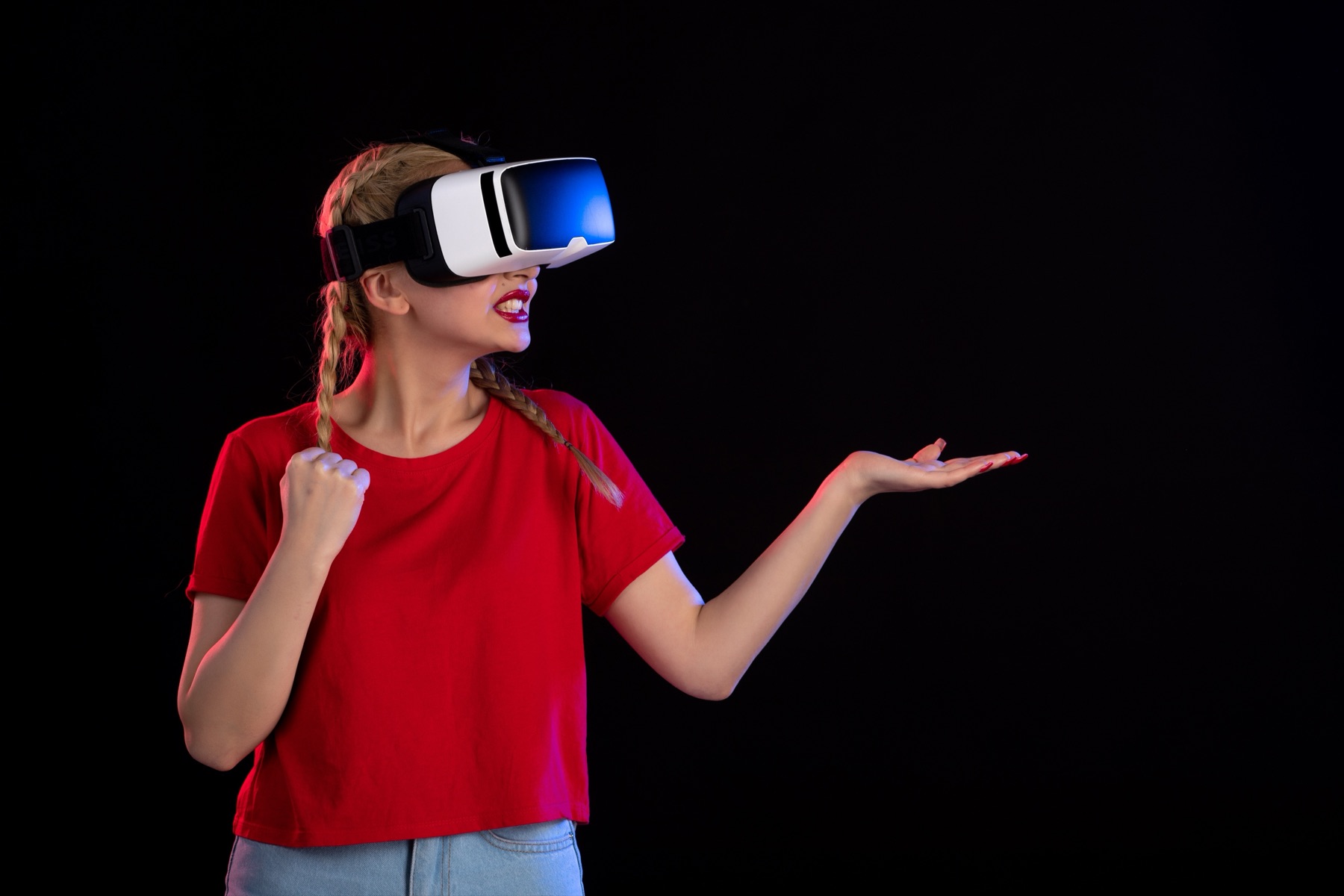
Classigoo's labs sit alongside the rest of the learning platform rather than in a separate app. Plans include access to labs, with AR and VR labs on the Standard and Enterprise plans.
Looking further ahead, Classigoo's vision is for lab activity to be part of the same educational picture as classwork and grades, so a teacher could eventually ask how performance in a virtual experiment relates to performance on an assessment. Not every click in a simulation is educational knowledge, though. Part of the work is deciding which events actually tell us something about a student's understanding.
Getting started
Pick one practical you run every year and try a virtual lab as the "before" lesson. Ask students to write down a prediction, test it virtually, and bring their result to the real experiment. It's a small change that tends to produce much better conversations at the bench.
You can explore our labs at labs.classigoo.com.